
The Altai Mountains area is widely known for its unique healing herbs. This is explained by its unspoiled nature, a variety of natural climatic zones, many mountain rivers and precious soil which is rich in micronutrients. Altai Mountains herbs have high biological value which ensures the production of highly effective products that can significantly improve people’s health. A great number of balms, ointments, creams and other goods contain valuable herbs from the Altai Mountains area.
Acorus Calamus Root (Sweet Flag)
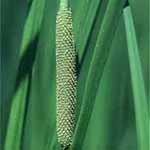
Sweet flag is considered to be the best medicine to tempt the appetite and to aid one’s digestion. It is traditionally used as antidiarrheal remedy. Sweet flag is widely employed as antifatigue, urinative, and choleretic agent. Moreover, it normalizes blood pressure. Sweet flag is an effective bactericidal and insecticidal agent; it is very helpful against influenza, bronchial asthma, bronchitis, and pneumonia. The root is also used as antipyrexial, expectorant drug and cough reliever.
Althea Root (Marshmallow Plant)
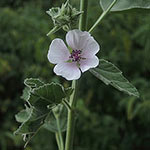
Althea is used as anti-inflammatory medicine to treat the dysfunction of upper respiratory tract and lungs. It calms coughs and has an expectorative effect. Marshmallow plant is also used to treat esophageal diseases, gastritis, gastric ulcer and diseases of the duodenum.
Rhaponticum Carthamoides (Maral Root)
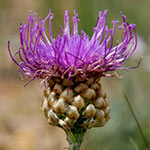
Maral root has a strong tonic effect, stimulates nervous system, increases intellectual working capacity and enhances ability to concentrate. It improves sexual function in men.
Birch Buds
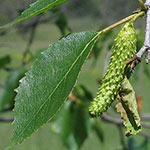
Birch buds are employed for treating kidney and urinary tract diseases, bile ducts and gastro-intestinal tract disorders, they have a diuretic effect and help to reduce the swelling (edema). Among other applications, birch buds are used as an expectorant, anti-inflammatory and antibacterial agent.
Helichrysum Italicum (Curry Plant)
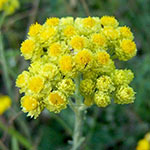
Curry plant-based medications have choleretic, anti-inflammatory, and antimicrobial properties. They are used to treat hepatic and gall-bladder disorders.
Ortilia Secunda (Wintergreen)
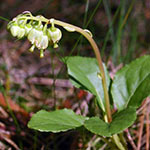
Ortilia secunda is well-known for its unique properties which help to cure almost any gynecological disorder, female infertility and diseases of the genitourinary system. It has antitumoral, anti-inflammatory, resorbable and antimicrobial effects. Ortilia secunda stimulates immune system.
Vaccinium Vitis-Idaea (Cowberry)
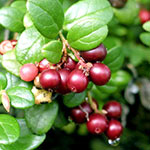
Cowberry is rich in vitamins, organic acids, mineral salts and pectic substances. Cowberry leaves show a wide range of effects: they are used as anti-inflammatory, styptic, antibacterial, choleretic and immunomodulatory agent.
Bupleurum (Hare's-ear)
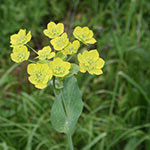
When a person has any kind of intoxication (drug poisoning, alcohol and food intoxication) it is the liver that suffers first, it works as the filter which bears the brunt of the attack. Bupleurum protects the liver from all intoxications and adverse effects. Bupleurum tea effectively helps to cure all hepatic disorders (hepatitis and cirrhosis). It has an invigorating effect and improves metabolism.
Polygonum Persicaria (Lady's Thumb)
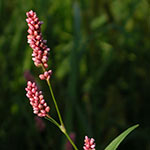
In traditional medicine Polygonum persicaria is used for hemorrhoidal bleeding. The plant shows blood-stanching properties; when taken regularly, hemorrhoids stop bleeding and become smaller. Traditionally lady’s thumb is called a “hemorrhoidal grass” – this reflects how efficient the herb against this particular disease is. Diuretic properties of the grass are used for the treatment of urinary stone disease and other kidney disorders. Besides, polygonum persicaria is particular effective as capillary strengthening and vasoconstricting agent.
Pyrola
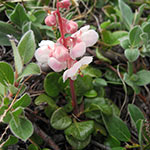
European pyrole can be used for prevention and treatment of many diseases: cholelithiasis, cystitis, bronchitis, furunculosis, tuberculosis of bones, cholecystitis, diseases of kidney, liver, urinary bladder, and inflammations of gastrointestinal tract. But a special role of this herb is in its power to cure some forms of male and female infertility which are connected with inflammatory conditions of genital zone. Pyrola has distinct antiseptic, antibacterial, anti-inflammatory and soothing effects which allow using it for womb diseases, tubal obstruction, chronic adnexitis, coleitis, vaginitis, gonorrhea, etc. In men European pyrole is the most effective agent against prostatitis.
Inula Root
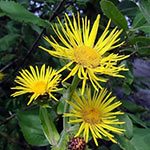
In medicine Inula is used as an expectorant for chronic respiratory tract diseases, bronchitis, tracheitis, tuberculosis of the lungs and bronchitis with a huge release of mucus. It has diuretic, antimicrobial, antifungal, bactericide, haemostyptic, styptic, antiallergic, and relaxing effects.
Origanum (Marjoram)
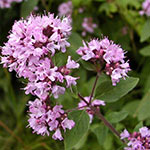
In folk medicine marjoram is used as an expectorant and diaphoretic drug. People take it for colds, inflammatory diseases of throat, to increase insufficient amount of gastric juice. Marjoram has diuretic, haemostyptic and calming properties. For centuries origanum has been known as calming and soporific agent, it was particularly prescribed for children and was used for nervous disorders.
Hyperiaim (John's-wood)
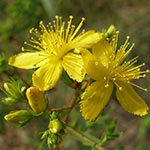
John’s-wood is widely regarded as the main healing herb. In Russia John’s-wood was considered to be the cure for 99 diseases and it was taken from the earliest times. John’s-wood grass has antimicrobial, styptic, anti-inflammatory, haemostyptic, choleretic, diuretic, and tonic effects.
Fragaria (Strawberry)
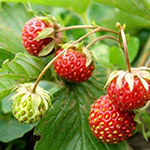
Leaves of wild strawberry are a sovereign remedy for many diseases. Strawberry appears to be a wonderful agent for immunity improvement. Leaves of strawberry are good for colds and kidney stone diseases. They have pain-relieving and wound-healing effects, they improve metabolism, contribute to salt secretion from the organism, and serve as a source of vitamins, micro- and macronutrient elements.
Chimaphila (Pipsissewa/ Prince's Pine)
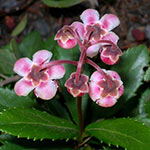
Pipsissewa is used for swellings (edema), ascites, arthropathy, uratic arthritis, and rheumatic disease. Chimaphila-based products tempt the appetite and aid one’s digestion. They are recommended as general strengthening and tonic agent.
Solidago Virgaurea (Golden Rod)
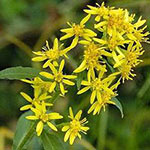
From the earliest times golden rod tea was used in Russia as the treatment for stone disease cholelithiasis, and cystitis as well as a diuretic and pain-killing agent. Golden rod tea is recommended for rheumatic disease, uratic arthritis, cholecystitis, stomach pains and intestinal upset. It is successfully used for the treatment of dropsy, nocturnal urinary incontinence, pyelonephritis, cystitis, edema, and diarrhea. Golden rod can also be useful against pertussis, asthma, and pulmonary tuberculosis. Besides, it has stimulatory action to metabolism, effective against skin diseases and hepatopathy.
Trifolium Pretense (Clover)
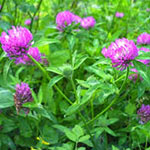
Red clover is an antibiotic, anti-inflammatory, antiviral, antifungal, antimicrobial and antineoplastic agent. It is considered to be a blood cleaner, diuretic, expectorant, relaxant, nutritious and sedative drug. Red clover strengthens the immune system, has a calming effect for nervous exhaustion. It effectively helps to restore energy and vitality.
Echinacea (Coneflower)
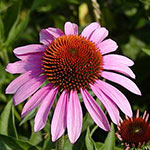
Echinacea shows antibacterial, antiviral, antifungal effects; stimulates immune system.
Rhodiola gelida
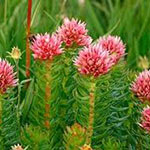
Rhodiola gelida is one of the two plants (together with Ortilia secunda) that care for women’s health. More than once it saved female from hormone disruption, infertility and reproductive system diseases. This is one of the most powerful adaptogenes and stimulants existing in nature. The secret of its action lies in the ability to restore (regenerate) tissues, which leads to majestic healing and rejuvenating effects.
Red Root
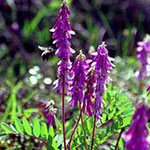
Modern medicine of Altai uses red root for anemia, flooding, heartwater-caused edema, urinary bladder diseases (retention of urine), prostatitis, bloodstained diarrhea and as a stimulant agent to overcome fatigue.
Potentilla Fruticosa (Prairieweed)
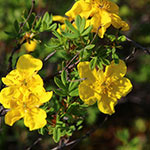
Prairieweed is very popular in folk medicine as an antihaemorrhagic, anti-inflammatory, antiallergic, antiviral, antibacterial, antidiabetic, hepatoprotective, diuretic, antiulcer, immunostimulating, soothing, anaesthetic, and antidiarrhoeal agent.
Buckthorn Bark

Due to its relaxant effect buckthorn bark is often used to lose weight. It is also recommended for stomach and dodecadactylon ulcers.
Tilia (Lime Tree)
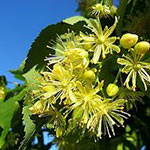
Lime flowers or “lime blossom” are widely used in folk medicine of many countries as sudorific and antifebrile agent for colds and gastritis as well as a bactericide drug for mouth and throat rinsing. It is also famous for its anticonvulsant, anti-inflammatory and anesthetic properties.
Patrinia Siberica (Siberian Patrinia)
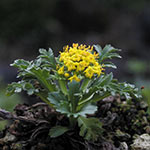
Patrinia has the same effect as valeriana, but of a stronger action. It helps to reduce blood pressure, has an antisclerotic effect. Siberian Patrinia is used for insomnia, neurosis and headaches.
Mint
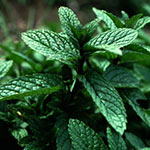
Mint is a perfect calming and analgesic agent for neuralgic pain and myoneuralgia. Mint infusion is used for nausea and as choleretic drug. Mint is included in many herbal teas aimed to treat diseases of stomach, intestinal tract, gall-bladder, and liver.
Calendula (Marigold)
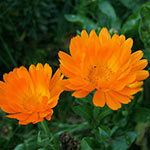
Calendula flowers are very useful when it is necessary to achieve bactericidal effect: during the treatment of all mouth and throat inflammations, cholecystitis, stomach and dodecadactylon ulcers, and gastritis. Calendula has a sedative effect for nervous system, reduces affectability and blood pressure, and normalizes heart activity in people having heart rhythm disorder.
Panzeria
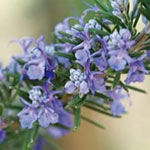
The grass of panzeria is used for cardiovascular diseases, hypertonicity, atherosclerosis, heart muscle disorders. It has a pronounced sedative effect similar to motherwort-based medicinal products. Panzeria is helpful for mild forms of Graves’ disease, dropsy and rheumatic disease.
Rhodiola Rosea (Golden Root)
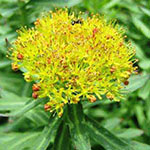
The extract of golden root enhances mental alertness and improves memory in healthy people. In people who suffer neurosis golden root normalizes mobility of inhibitory and excitatory processes. It is recommended for neurosis, mental and physical strains. Golden root helps to cure diabetes, erectile dysfunction and asthenia. Rhodiola rosea is a strong adaptogene agent: it increases the body’s stress resistance and resistance to adverse factors, improves eyesight and hearing, accelerates regeneration of the body after serious diseases.
Matricaria (Mayweed)
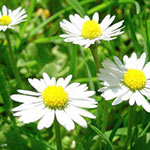
Mayweed has a stable effect; it is used for acute and chronic gastritis, stomach ulcer, colitis, hyperexcitability, neuralgic pains, painful menstruation, uterine hemorrhage (flooding) etc. It is used externally for the treatment of hemorrhoid and in foot baths against feet sweating. Mayweed is recommended for overfatigue and intense physical exertion.
Comarum Palustre (Swamp Cinquefoil)
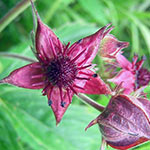
Swamp cinquefoil falls into the category of adaptogenic plants which help the organism to adjust to particular conditions. It’s no coincidence that swamp cinquefoil is called “Russian ginseng”, it is a mild biostimulant. Underground stems of this herb are used for arthritis, arthrosis, rheumatic disease, osteochondrosis, radiculitis, stomach pains, hemorrhage, gastrointestinal upset, diarrhea, influenza, liver diseases, and stomach and breast cancer. It is recommended for tuberculosis, thrombophlebitis, jaundice, neuralgic pain, hypotension, and cholecystitis.
Root of Polemonium (Jacob's Ladder)
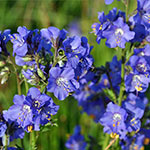
Jacob’s ladder-based remedies are mainly used as an expectorant drug for tuberculosis, as a sedative (calming nervous system) for various nervous and mental diseases (neurasthenia and insomnia); together with cottonweed (Gnaphalium) they are prescribed for gastric and dodecadactylon ulcers. In folk Russian medicine Jacob’s ladder – coupled with valeriana – was used as sedative agent for insomnia, epilepsy, and chronic cough. The study found that sedative effect of polemonium is 8 –10 times higher than that of valeriana.
Ribes Nigrum (Black Currant)
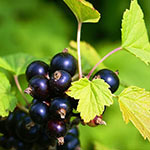
Buds and leaves of black currant are used as diuretic, disinfective, and sudorific drug for kidney stone disease, pyelonephritis, and cystitis. Its leaves are recommended to take for rheumatic disease and diathesis as well as bactericidal and vitaminous agent.
Licorice Root (Glycyrrhiza Glabra)
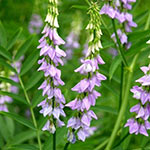
Licorice root is recommended as expectorant drug for bronchopulmonary diseases, bronchial asthma, atherosclerosis, gastric and dodecadactylon ulcers, allergies, and eczema. Besides, it has antibacterial, anti-inflammatory, antiallergic, anti-spasmatic, antisclerotic and antitumour effects. Licorice root has benefits for immune system, protects the body from poisons and toxins; increases fertility and strengthens sexual potency.
Pine Buds
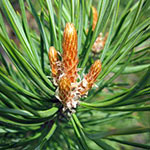
Pine buds are prescribed for bronchitis, pneumonia, dropsy, gout, rickets, and malfunction of metabolism which is accompanied by various skin diseases. It is also used as antiscorbutic, diuretic, choleretic, and expectorant agent.
Poplar Buds
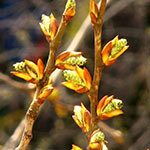
Medications which contain poplar show anti-inflammatory, anesthetic, antipruritic, styptic, antimicrobial, sedative, antipyretic, sudorific, and wound-healing actions.
Achillea (Milfoil)
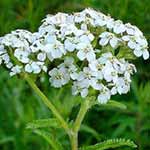
Milfoil has general strengthening, anti-inflammatory, anesthetic, styptic, diuretic, and sudorific effects. It improves metabolism and appetite, increases blood clotting, contributes to wound healing, and improves blood circulation. Milfoil has a relaxing effect on non-striated muscles in the stomach, urinary and biliary tracts. It increases diuresis and may release pain caused by intestinal spasms.
White Potentilla
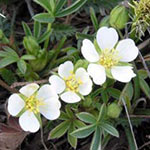
White Potentilla shows the properties of natural adaptogenes and normalizes hormone system; it has a positive impact on nervous and cardiovascular systems. Besides, this herb proved to be very effective against thyroid problems.
Equisetum Arvense (Bottle-brush)
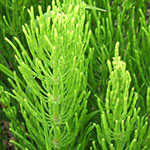
Bottle-brush increases and promotes urine secretion; it has anti-hemorrhagic and anti-inflammatory effects, contributes to the rapid removal of lead from the body. Drugs containing bottle-brush are taken as diuretic agent for decompensated heart failures and other congestive diseases. It is also used as anti-hemorrhagic agent for hemorrhoidal and uterine bleedings, urinary tract diseases (cystitis and urethritis), for pleurisy with high quantity of exudate, rheumatic diseases, and edema.
Thymus (Thyme)
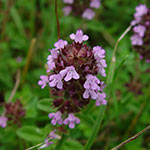
Thyme tea is used for cold-related diseases as an agent that contributes to better bronchial secretion and faster expectoration. It shows disinfecting effect and is prescribed as expectorant for bronchitis, cough and pertussis. Thyme is an effective agent for rheumatoid arthritis and fibrositis, closed wounds and not infectious rash. It has a beneficial effect on prostatitis and erectile dysfunction.
Inonotus Obliquus (Chaga Mushroom)
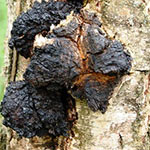
Chaga mushroom shows strong antibacterial and antiseptic effects. Chaga’s substances are natural biogenic stimulants which reinforce the immune system and increase protective properties of the body, improve metabolism, and stimulate central nervous system. Chaga is prescribed for subacid gastritis, gastric and dodecadactylon ulcers, gastric and intestinal polyps, as well as for stomach and lung cancer, cancer of other organs (especially in cases when surgery and/or X-ray therapy are forbidden).
Aspen Bark
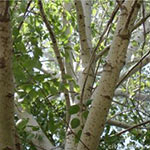
Aspen shows general strengthening, choleric, antimicrobial, anti-inflammatory effects. It is prescribed for prostatitis, rheumatism, and gastrointestinal upset.
Angelica Archangelica Root
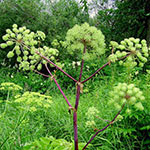
From the earliest times angelica was used as an agent that stimulates circulation, strengthens heart and immune system. Angelica is a good expectorative, anti-inflammatory, and antimicrobial drug. It enhances microcirculation of blood and lowers blood pressure.
Rose Hips Root
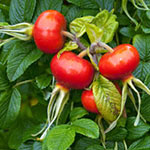
Rose hips root is used in folk medicine as an agent that performs litholysis and removes sand from kidney, bladder, and gall-bladder. It has not only a clearance function, but also normalizes work of bladder, gall-bladder, kidney and liver.